Last updated 2026-07-25
TL;DR
South Carolina requires assisted living facility (community residential care) administrators to hold a license through DHEC, pass a state exam, complete required training hours, and renew regularly. Facilities themselves are licensed separately as Community Residential Care Facilities under S.C. Code Title 44, Chapter 7.
What is an assisted living facility in South Carolina?
In South Carolina, what most people call "assisted living" is licensed under the term Community Residential Care Facility (CRCF). It's a facility that provides room, board, and personal care services to people who need help with daily activities but don't need the round-the-clock skilled nursing you'd get in a nursing home [1]. The South Carolina Department of Health and Environmental Control (DHEC), through its Bureau of Facility Licensing, regulates CRCFs under S.C. Code Ann. Title 44, Chapter 7, Article 3, and the accompanying regulations at S.C. Code Regs. 61-84 [1][2]. If you're asking "what is assisted living facility" in a South Carolina context, CRCF is the legal name you'll find on every license, inspection report, and statute. A CRCF can range from a small home with a handful of residents to a large campus-style community. Regardless of size, every facility needs a licensed administrator on record, and that's where the administrator license comes in. If you're comparing this to assisted living facilities in other states, the core idea is the same: help with bathing, dressing, medication reminders, meals, and supervision, but not hospital-level medical care.
What is assisted living, in plain terms?
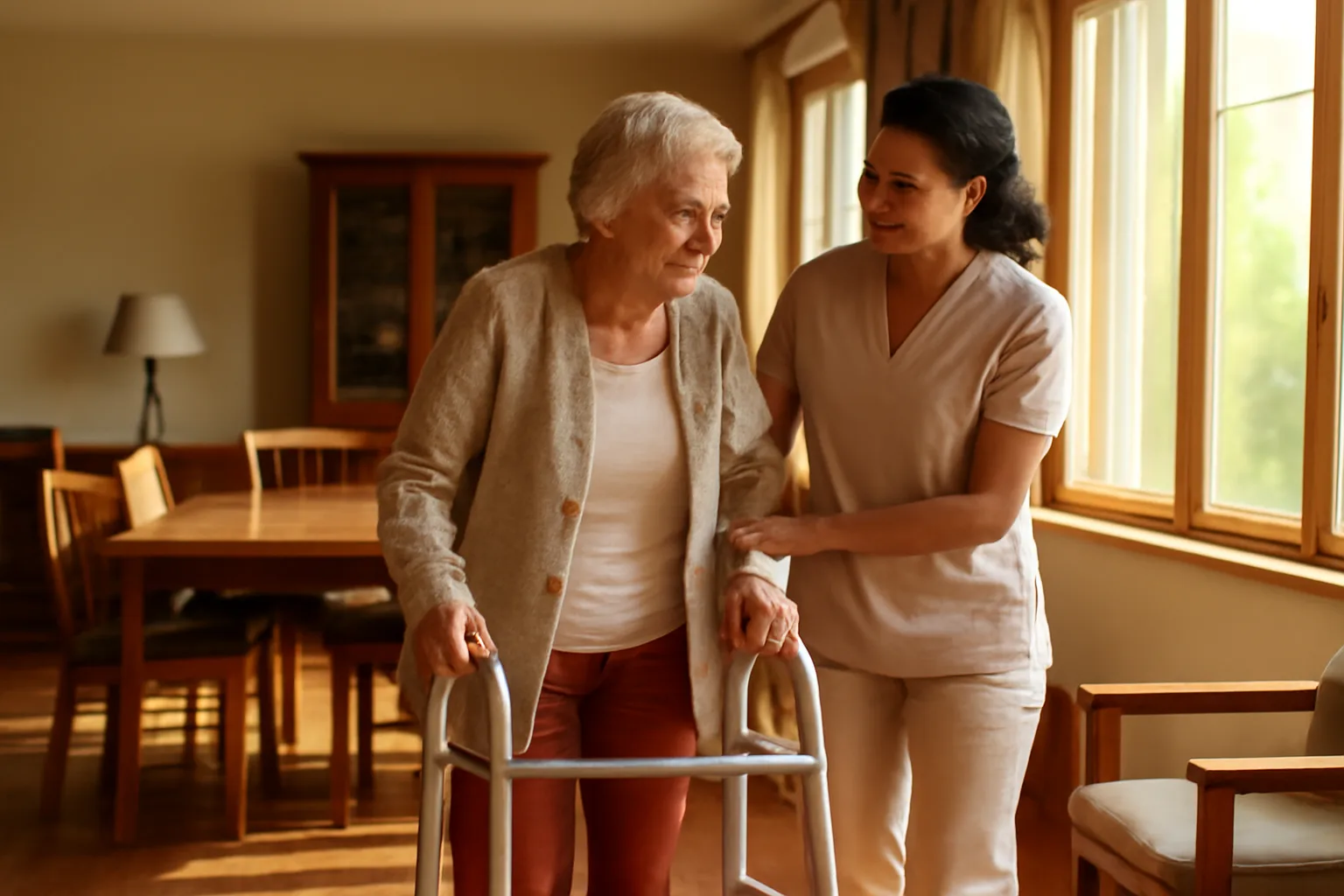
Assisted living is a residential care option for adults, usually older adults, who need help with things like bathing, dressing, medication management, and meal prep, but who don't need daily skilled nursing care. Think of it as a step between living fully independently and needing a nursing home. Residents typically have their own room or apartment, share common spaces, and get a personal care plan built around what they actually need help with. Some people move in for a few months of recovery support; others live there for years. South Carolina's regulatory definition tracks this closely. CRCFs provide "room and board and a degree of personal care for a period exceeding 24 hours to two or more persons... who require this level of service" [2]. That's the legal backbone for every licensing decision DHEC makes, including who can run the place.
What is a group home, and how is it different from assisted living?
A group home is a broader term. It usually refers to a residential setting for a specific population, people with intellectual or developmental disabilities, people in mental health recovery, or youth in state custody, rather than the general senior population served by assisted living. In South Carolina, group homes for people with intellectual disabilities are often licensed or certified through the Department of Disabilities and Special Needs (DDSN), not DHEC, and the rules, staffing ratios, and administrator requirements differ from CRCF rules [3]. Assisted living, by contrast, almost always means the DHEC-licensed CRCF track. If you're planning a home for adults with IDD or a mental health recovery population rather than seniors, don't assume the CRCF administrator license applies to you. Check with DDSN or the South Carolina Department of Mental Health directly, because the licensing agency, training hours, and inspection standards run on separate tracks. This distinction trips up a lot of first-time operators who assume "group home" and "assisted living" are interchangeable paperwork paths. They're not.
What does assisted living provide, day to day?
A CRCF in South Carolina is required to provide room, board, supervision, and personal care services. That commonly includes help with bathing, dressing, grooming, mobility, and medication administration or reminders, along with meals, housekeeping, laundry, and basic social or recreational activities [2]. What it does not typically provide is skilled nursing care on a daily basis, IV therapy, or complex wound care, the kind of medical treatment you'd expect in a nursing home. DHEC regulations spell out admission and retention criteria: a facility can't keep a resident whose needs exceed what the license category allows, and residents who need a nursing home level of care generally have to transfer out [2]. Staffing has to be sufficient to meet resident needs around the clock, and the administrator is responsible for making sure that staffing plan actually works in practice, more than on paper. Inspectors check this by watching call-light response times, reviewing staffing schedules against actual census, and interviewing residents and family members during survey visits.
What is the difference between assisted living and a nursing home?
The difference comes down to the level of medical care and the licensing category. Assisted living (CRCF in South Carolina) is a residential, personal-care model. Nursing homes are licensed as skilled nursing facilities and provide 24-hour nursing care under the supervision of a registered nurse, with a physician overseeing each resident's medical plan. CMS describes nursing homes as providing "a level of care that includes 24-hour, 7-day-a-week supervision by a nurse" along with rehabilitation and skilled nursing services [4]. Assisted living residents generally don't need that level of medical oversight; they need help with activities of daily living plus supervision and some health monitoring. Cost structures differ too, and licensing requirements for administrators reflect that gap. Nursing home administrators in South Carolina need a separate license through the South Carolina Board of Long Term Health Care Administrators, with its own exam and internship requirements, distinct from the CRCF administrator credential [5]. If you're building a business plan and comparing assisted living against skilled nursing, budget for very different staffing ratios, licensed nurse coverage, and survey standards on the nursing home side.
Does Medicare cover assisted living facilities?
No. Medicare does not pay for the room and board or personal care costs of assisted living. CMS is direct about this: Medicare does not cover long-term custodial care, which is what most assisted living amounts to [6]. Medicare Part A may cover a short skilled nursing facility stay after a qualifying hospital stay, and Medicare Part B or Part A can cover medical services a resident receives regardless of where they live (a doctor visit, physical therapy, durable medical equipment). But the facility's monthly rate itself, the rent-like charge for room, board, and personal care, is a private-pay or long-term-care-insurance expense in the overwhelming majority of cases. Medicaid is a different story in some states. South Carolina Healthy Connections Medicaid offers a Community Choices waiver that can help cover certain personal care costs for eligible low-income seniors in some CRCF settings, but eligibility and covered services vary and you should confirm current waiver terms directly with the South Carolina Department of Health and Human Services and Medicaid.gov . Don't market a facility to families assuming Medicare will pay any of the daily rate. It won't.
Who needs an assisted living administrator license in South Carolina?
Every CRCF operating in South Carolina must have a licensed administrator responsible for day-to-day operations, per DHEC regulation 61-84 [2]. This isn't optional and it isn't a title you can claim informally; DHEC maintains licensing requirements specific to the administrator role, separate from the facility's own license. The administrator is the person legally accountable for compliance: staffing, resident care standards, medication management oversight, incident reporting, and readiness for DHEC inspections. If you own the facility but don't hold the administrator license yourself, you'll need to employ or contract with someone who does. Requirements commonly include a minimum age, a criminal background check (including a check against the state's abuse registry), specific education or experience, completion of required training hours, and passing a state-approved competency exam. Because DHEC updates its administrator licensing criteria periodically, confirm the current age, education, exam, and background check requirements directly with DHEC's Bureau of Facility Licensing before you enroll in a training program or sit for an exam [1].
How do you get a South Carolina assisted living administrator license?
The general path looks like this, though you should verify each step and current fee amounts with DHEC before you start, since requirements and fees are updated periodically: 1. Confirm eligibility. DHEC sets baseline requirements around age, education (often a combination of a high school diploma or higher plus specific coursework or experience), and a clean background check result. 2. Complete required administrator training. South Carolina requires completion of DHEC-approved coursework covering topics like resident rights, medication management, infection control, emergency preparedness, and CRCF regulations. 3. Pass the state competency exam. Administrators typically need to pass an exam demonstrating knowledge of CRCF regulations and operational responsibilities. 4. Submit your application and fee to DHEC. Application forms, current fee amounts, and processing timelines are published by DHEC and change periodically, so pull the current numbers from DHEC's licensing page rather than relying on a fixed figure here. 5. Maintain the license through renewal and continuing education. Administrator licenses aren't permanent; they require periodic renewal and ongoing training hours to stay current. Because the exact number of required training hours, exam vendor, and fee schedule shift over time, treat every dollar figure and hour count as a confirm-with-the-agency item rather than something to memorize from a blog post.
How do you start a group home or assisted living business in South Carolina?
Starting a CRCF or group home in South Carolina involves layering several approvals on top of each other, and missing one early usually costs you months later. First, decide your population and licensing track. Seniors needing personal care go through DHEC as a CRCF. People with intellectual or developmental disabilities usually go through DDSN. Mental health recovery homes may fall under the Department of Mental Health or a private licensing pathway depending on the services offered [3]. Get this right before you sign a lease. Second, handle zoning and building code review. Local zoning ordinances determine whether a residential-care use is allowed by right, needs a conditional use permit, or is barred entirely in a given zone. This runs parallel to your state license application and is often the slowest part of the process because it involves your county or municipal planning department, not the state. Third, build your staffing and policy manual. DHEC inspectors want to see written policies on medication administration, emergency evacuation, abuse reporting, admission and discharge criteria, and staff training records, more than a verbal plan. Fourth, apply for the facility license and, separately, make sure your administrator holds (or is actively obtaining) the required administrator license. The facility license and the administrator license are two different paperwork tracks that both have to clear before you can accept residents. Fifth, schedule and pass your pre-licensure inspection. DHEC (or the relevant agency) will inspect the physical building, life-safety features, and your written policies before issuing the operating license. If you want a structured way to organize all of this instead of hunting through statute chapters at 11pm, the $299 State Group Home Licensing Kit organizes state-specific checklists, policy templates, and staffing plan worksheets so you're not building your compliance file from scratch. It doesn't replace DHEC's own forms or guarantee approval, but it gets your paperwork organized before you submit.
What training and continuing education do administrators need?
DHEC requires CRCF administrators to complete initial pre-licensure training covering core competencies (resident rights, medication management, emergency preparedness, infection control, and regulatory compliance) before they can sit for the licensing exam [1][2]. Once licensed, administrators typically need continuing education hours during each renewal cycle to keep the license active. The specific hour count and acceptable course topics are set by DHEC and can change, so pull the current continuing education chart from DHEC's administrator licensing page rather than assuming last year's requirement still applies. Many training hours can be completed through approved community college programs, DHEC-approved vendors, or industry association courses. If you're relocating from another state and already hold an administrator license elsewhere, ask DHEC about reciprocity or equivalency review; some states have agreements that credit out-of-state experience or exam scores, others require you to start from scratch.
How does South Carolina inspect and enforce CRCF standards?
DHEC conducts periodic licensing surveys of CRCFs to check compliance with S.C. Regs. 61-84, and also responds to complaints from residents, family members, or staff [2]. Inspectors review resident records, medication administration logs, staffing schedules, incident reports, and the physical condition of the building. When DHEC finds a deficiency, the facility usually gets a required plan of correction with a deadline. Repeated or serious violations, especially those involving resident health and safety, can lead to license suspension, revocation, or civil penalties, depending on severity [1][2]. As administrator, you're the one who signs off on the plan of correction and is accountable for implementing it. If your facility gets cited for inadequate staffing or missed medication passes, that's a direct reflection on your license, more than the facility's. Keep your own compliance file (staffing logs, training certificates, incident reports) separate from the facility's official file so you have a clear paper trail if your license is ever questioned.
How much does a South Carolina assisted living administrator license cost?
DHEC publishes current license application fees, renewal fees, and any late-fee schedules on its facility licensing pages, and these numbers are revised periodically by regulation or budget action. Rather than quote a specific dollar figure that may be out of date by the time you read this, treat the fee as a confirm-with-DHEC line item and budget separately for training course costs, exam fees, and background check fees, which are often billed by third-party vendors rather than DHEC itself. Beyond the administrator license fee, plan for the facility-level licensing fee (a separate cost), any local business license fees from your city or county, and the cost of the physical building inspection tied to your CRCF facility license. Many first-time operators underbudget this stack because they only price out the administrator exam and training and forget the parallel facility-level costs running at the same time.
Where do you go for the official rules and forms?
Start with DHEC's Bureau of Facility Licensing pages, which host the current CRCF licensing regulations, administrator requirements, and application forms [1][2]. The underlying statute is S.C. Code Ann. Title 44, Chapter 7, Article 3, and the operational regulation is S.C. Code Regs. 61-84. For Medicaid waiver questions specific to assisted living settings, go to the South Carolina Department of Health and Human Services and cross-check against Medicaid.gov's state waiver pages . For nursing home comparisons, CMS's nursing home care pages explain the federal baseline for skilled nursing coverage [4][6]. If your population is IDD or mental health rather than general senior assisted living, DDSN and the South Carolina Department of Mental Health are your primary agencies, not DHEC [3]. Bookmark all of these; you'll be checking back throughout the application and renewal process, because forms and fee schedules change more often than most operators expect.
Frequently asked questions
What is assisted living?
Assisted living is residential care for adults who need help with daily activities like bathing, dressing, and medication management, but not full-time skilled nursing care. In South Carolina, this is licensed as a Community Residential Care Facility (CRCF) under DHEC, per S.C. Code Ann. Title 44, Chapter 7.
What is a group home?
A group home is a residential setting for a specific population, often people with intellectual or developmental disabilities, mental health recovery needs, or youth in state custody. It's licensed differently than assisted living; in South Carolina, IDD group homes typically fall under DDSN rather than DHEC.
What is an assisted living facility?
An assisted living facility provides housing, meals, supervision, and personal care assistance to residents who need help with daily activities but not hospital-level medical care. South Carolina's legal term for this is a Community Residential Care Facility (CRCF), licensed and regulated by DHEC under S.C. Regs. 61-84.
What is assisted living vs nursing home?
Assisted living provides help with daily activities and supervision in a residential setting. A nursing home provides 24-hour skilled nursing care under an RN's supervision, per CMS. The two use different licenses, different staffing ratios, and different administrator credentials in South Carolina.
What does assisted living provide?
It typically provides room and board, supervision, help with bathing, dressing, grooming, mobility, medication reminders or administration, meals, housekeeping, and social activities. It does not generally provide daily skilled nursing care, IV therapy, or complex medical treatment; residents needing that level of care usually must transfer to a nursing home.
How do I start a group home in South Carolina?
Identify your population and correct licensing agency (DHEC for CRCF/assisted living, DDSN for IDD), clear local zoning, write your policy manual and staffing plan, apply for the facility license, make sure your administrator holds the required license, and pass the pre-licensure inspection before accepting residents.
Does Medicare cover assisted living facilities?
No. CMS confirms Medicare does not cover long-term custodial care, which includes most assisted living room, board, and personal care costs. Medicare may still cover separate medical services (doctor visits, therapy) a resident receives while living there, but not the facility's daily or monthly rate.
How do I become a licensed assisted living administrator in South Carolina?
Confirm eligibility requirements with DHEC (age, education, background check), complete DHEC-approved administrator training covering regulations and resident care topics, pass the state competency exam, submit your application and fee to DHEC's Bureau of Facility Licensing, and maintain the license through periodic renewal and continuing education.
What's the difference between DHEC and DDSN licensing?
DHEC licenses Community Residential Care Facilities (assisted living) for the general adult and senior population needing personal care. DDSN licenses or certifies group homes and services specifically for people with intellectual and developmental disabilities. The training, staffing ratios, and administrator credentials differ between the two agencies.
Can one person be the administrator for multiple South Carolina CRCFs?
DHEC regulations address administrator responsibilities per facility, and requirements around whether one licensed administrator can oversee multiple locations (and under what supervisory conditions) can vary. Confirm current multi-facility administrator rules directly with DHEC's Bureau of Facility Licensing before structuring a multi-site operation.
How long does it take to get a South Carolina assisted living administrator license?
Timelines depend on how quickly you complete required training hours, schedule and pass the state exam, and clear the background check, plus DHEC's application processing time. There's no fixed statutory turnaround published for this specific credential, so build in several months and confirm current processing estimates with DHEC.
Does Medicaid pay for assisted living in South Carolina?
Medicaid.gov and South Carolina's Healthy Connections Medicaid program note that certain home and community-based waivers, such as Community Choices, can help cover some personal care costs for eligible low-income residents in some CRCF settings. Coverage and eligibility rules change, so confirm current waiver terms with SCDHHS directly.
Sources
- S.C. Code of Laws, Title 44, Chapter 7, Article 3 (Community Residential Care Facilities): DHEC's Bureau of Facility Licensing regulates CRCF and administrator licensing in South Carolina under this statutory article
- S.C. Code of Laws, Title 44, Chapter 20 (South Carolina Department of Disabilities and Special Needs): DDSN licenses/certifies group home services for people with intellectual and developmental disabilities, separate from DHEC's CRCF track
- Medicare.gov, Nursing Home Care overview: Nursing homes provide 24-hour, 7-day-a-week nursing supervision distinct from assisted living
- S.C. Code of Laws, Title 40, Chapter 35 (Nursing Home Administrators): Nursing home administrators require a separate license from CRCF administrators in South Carolina
- Medicare.gov, Long-term care coverage: Medicare does not cover long-term custodial care such as assisted living room and board
- Medicaid.gov, Home & Community Based Services: HCBS waivers can cover personal care services in community settings, subject to state-specific terms