Last updated 2026-07-25
TL;DR
"Lee residential care" typically refers to residential care licensing or facilities in a Lee County or similarly named jurisdiction. This guide explains what assisted living and group homes actually are, how they differ from nursing homes, what Medicare does and doesn't pay for, and the real steps to license and open a residential care home.
What is assisted living?
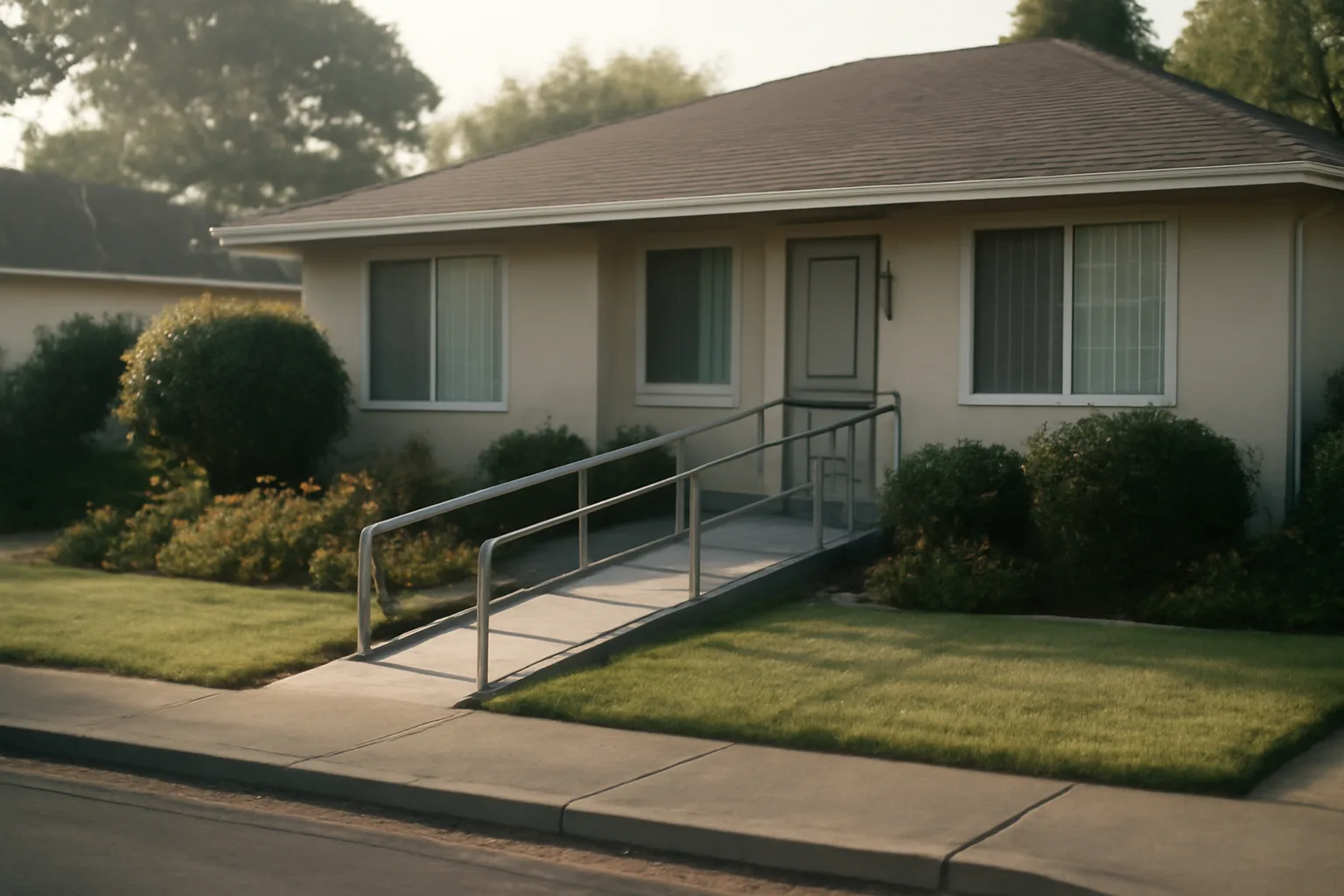
Assisted living is a licensed residential care setting for adults who need help with daily activities like bathing, dressing, medication management, or meal preparation, but who don't need the round-the-clock skilled nursing care a nursing home provides. Residents usually live in private or semi-private rooms or apartments and get support from trained staff, not necessarily nurses, though many facilities do employ licensed nurses part time or as consultants. The federal government does not license or directly regulate assisted living. That job falls entirely to state agencies, which is why the rules, terminology, and even the name of the setting vary so much from state to state. Some states call it "assisted living facility," others use "residential care facility for the elderly," "personal care home," or "adult foster care." The Centers for Medicare & Medicaid Services (CMS) explicitly notes that assisted living is a state-regulated service, not a Medicare benefit category [1]. If you're researching a specific county or regional name, like "Lee" (as in Lee County, Florida, or a similarly named jurisdiction elsewhere), the licensing authority you actually need to contact is your state's health or social services department, not the county. Counties usually only add zoning and building requirements on top of the state's operating license. For a broader look at how this term gets used across the industry, see assisted living and assisted living facility.
What is a group home?
A group home is a residential setting, usually a house in an ordinary neighborhood, where a small number of unrelated adults live together and receive supervision or care from paid staff. The term covers a lot of ground. Group homes serve people with intellectual or developmental disabilities (IDD), adults recovering from mental illness or substance use, and in some states, seniors who need a lower level of support than assisted living but more than living alone. Most states cap group home occupancy somewhere between 6 and 16 residents, though the exact number depends entirely on your state's licensing category and, often, on local zoning. Federal fair housing law also matters here: the Fair Housing Act generally protects group homes for people with disabilities from being excluded by local zoning ordinances that single out "family" living arrangements. HUD's guidance on reasonable accommodations under the Fair Housing Act walks through how this works in practice [2]. Group homes differ from assisted living mainly in scale and licensing category, not necessarily in the level of care. A 6-bed group home for adults with IDD might provide more intensive, one-on-one support than a 60-bed assisted living building. Don't assume "group home" means lighter care; it depends entirely on the population and the state's specific program rules.
What is an assisted living facility (and how is it different from a facility that just calls itself that)?
An assisted living facility is any building licensed under your state's assisted living statute to provide housing, meals, supervision, and personal care services to residents who need help with daily activities. The exact legal definition, staffing ratios, and services allowed vary by state licensing category (some states even have two or three tiers, like "standard" and "limited nursing" or "extensive"). Here's the trap a lot of new operators fall into: they see a building marketed as an "assisted living facility" or "residential care home" and assume the name tells them what license it holds. It doesn't. The only way to know what a building is actually licensed for, and what it's legally allowed to do, is to check your state licensing agency's facility search or license lookup tool. Florida, for example, requires assisted living facilities to hold a license issued under Chapter 429 of the Florida Statutes, renewed on a schedule set by the Agency for Health Care Administration [3]. If you're comparing options for a family member or scouting a building to lease for your own operation, always confirm the license type and current survey/inspection history directly with the state, more than the marketing materials. For more on how these categories get used in practice, see assisted living facilities and facility assisted living.
What does assisted living provide, exactly?
Assisted living typically provides a private or shared room, three meals a day, help with activities of daily living (bathing, dressing, toileting, transferring, eating), medication reminders or administration, housekeeping, laundry, and 24-hour staff supervision. Most facilities also run some kind of activities program and arrange or provide transportation to medical appointments. What it generally does not provide, at least not as a baseline: skilled nursing care, IV therapy, wound care beyond basic first aid, ventilator support, or rehabilitation therapy at a nursing-home level. Some states allow assisted living facilities to keep residents with higher needs if they contract with a home health or hospice agency to bring in that care, but the facility itself isn't licensed to deliver it directly. A quick reality check worth building into any admission decision: assisted living is not a substitute for skilled nursing, and staff are typically not required to be registered nurses. Staffing requirements (ratios, training hours, required certifications) are set state by state, so "24-hour staff" in one state might mean one awake caregiver per 20 residents, while another state requires a much tighter ratio overnight. Always ask for the specific staffing plan and confirm it against your state's minimum requirement rather than trusting a sales brochure.
What is the difference between assisted living and a nursing home?
| Regulated by | State licensing agency | State + CMS (federal certification) | |
|---|---|---|---|
| Medical care level | Help with daily activities | Skilled nursing, 24/7 | |
| Medicare coverage | Not covered as room and board | Covered for limited skilled stays | |
| Typical staff | Caregivers, med aides, some nurses | RNs, LPNs, CNAs required | |
| Setting | Apartment/room, home-like | Hospital-like, medical equipment | Cost also differs. Genworth's Cost of Care Survey, a widely cited industry benchmark, reported a 2023 national median monthly cost of $5,350 for assisted living and $8,669 for a semi-private nursing home room [1]. Costs vary heavily by state and even by county, so treat national medians as a starting point, not a quote. |
The core difference is the level of medical care. Nursing homes (also called skilled nursing facilities, or SNFs) are staffed and licensed to provide 24-hour skilled nursing care, including things like IV medications, complex wound care, and rehabilitation after a hospital stay. Assisted living is built around help with daily living tasks, not medical treatment. Nursing homes are certified by CMS to bill Medicare and Medicaid for skilled care and must meet federal requirements under 42 CFR Part 483. CMS finalized a rule in 2024 setting minimum staffing standards for long-term care facilities, including a requirement for a registered nurse on site 24 hours a day [4]. Assisted living has no equivalent federal staffing rule; it's governed entirely by state licensing codes. | Feature | Assisted living | Nursing home (SNF) |
Does Medicare cover assisted living facilities?
No. Medicare does not pay for the room and board or personal care costs of assisted living, full stop. CMS states plainly that Medicare does not cover long-term care, which it defines as "non-skilled personal care," including help with daily activities like bathing and dressing in a residential setting [5]. Medicare can, however, cover specific medical services a resident receives while living in assisted living, the same way it would cover them in a private home: doctor visits, physical therapy ordered by a doctor, durable medical equipment, and short-term home health visits under Part A or Part B if the person qualifies. The facility's rent and care fees are still the resident's or family's responsibility. Medicaid is a different story, and this is where a lot of confusion comes from. Many states use a Medicaid Home and Community-Based Services (HCBS) waiver, authorized under Section 1915(c) of the Social Security Act, to pay for personal care services in assisted living or residential care settings, though room and board is typically still excluded and paid separately by the resident . Whether a specific waiver covers a specific facility depends entirely on your state's Medicaid program and whether that facility participates. Confirm with your state Medicaid agency and your state licensing agency separately, since licensing and Medicaid enrollment are two different approval processes.
How do I start a group home?
Starting a group home means working through five stages in roughly this order: pick your population and license category, secure a compliant property, get state licensure, build your staffing and policy manual, and pass your pre-opening inspection. Skipping ahead (say, signing a lease before confirming zoning) is the single most common expensive mistake new operators make. Step one is deciding who you'll serve: seniors, adults with IDD, people in mental health or substance use recovery, or some other population. This decision drives everything else, because your state licensing category, staffing ratios, training requirements, and even physical plant rules (fire sprinklers, ADA features, minimum square footage per resident) all depend on it. Step two is the property. Group homes are frequently sited in residential neighborhoods, which means local zoning matters as much as state licensing. Many states have zoning protections for small group homes serving people with disabilities, but the specifics (occupancy caps, spacing requirements between homes, whether a special use permit is needed) vary by municipality. Confirm zoning eligibility with your local planning department before signing a lease or making an offer. Step three is the state application itself: background checks for owners and staff, a fire marshal or life-safety inspection, proof of financial capacity (some states require a surety bond or minimum reserve), a floor plan, and a policy and procedure manual covering admissions, medication management, emergency procedures, resident rights, and grievance processes. Every state licensing agency publishes its own application checklist and fee schedule; there is no federal group home license, so you must go directly to your state's agency (often the Department of Health, Department of Social Services, or a dedicated licensing bureau) for the actual requirements and current fees. Step four is staffing: hiring a qualified administrator (many states require a specific credential or hours of training for this role), direct care staff who meet training and background check requirements, and often a designated healthcare or nursing consultant depending on your population. Step five is the pre-licensure inspection, where a state surveyor walks the physical building and reviews your policies and staff files before issuing the license. Expect this to check fire safety equipment, emergency supplies, medication storage, resident record systems, and staff credentialing files against your state's checklist. Building all of this from scratch, state by state, with no template, easily eats 60 to 100+ hours of research and drafting time before you ever submit an application. That's the gap a pre-built, state-specific policy and application framework is meant to close; GroupHomePath's $299 one-time State Group Home Licensing Kit gives you the application checklists, policy manual templates, and staffing plan structure organized by state so you're filling in your specifics instead of writing from a blank page. It doesn't replace your state's actual requirements or guarantee approval, but it does save you from reinventing the paperwork.
How do I start a group home if I've never run a facility before?
You don't need prior facility ownership experience to apply, but most states do require the administrator (whether that's you or someone you hire) to complete specific training and pass a background check before the license is issued. Some states also require a minimum number of hours of relevant work experience in the specific population you plan to serve. The realistic path for a first-time operator looks like this: work or volunteer in a similar facility for a few months to understand daily operations firsthand, take whatever administrator certification course your state requires, then start your application while that training is fresh. Trying to run a facility you've never worked inside of, on paper knowledge alone, is a recipe for citations during your first inspection. It also helps enormously to talk to your state licensing agency's field office before you submit anything. Most agencies will do a pre-application consultation call, and some publish detailed applicant handbooks that walk through every required form. Read the actual statute and administrative code for your state's residential care category, more than a summary; the fine print on staff-to-resident ratios and required square footage per bedroom is where budgets go wrong.
What's the real cost and timeline to get licensed?
Timelines commonly run 3 to 9 months from application submission to license issuance, depending on the state, your license category, and how complete your application is on the first submission. States with a heavier survey backlog or additional Certificate of Need requirements can push well past that. Application fees vary widely and change often, so treat any number you read online (including this one) as a placeholder, not a quote: confirm the current fee schedule directly on your state licensing agency's website before budgeting. Beyond the state fee, budget separately for a fire marshal inspection, any required physical plant modifications (grab bars, exit signage, sprinkler upgrades), background check fees per staff member, and liability insurance, which alone can run into thousands of dollars a year depending on your state and resident population. The biggest hidden cost isn't the application fee, it's the carrying cost of a property sitting empty while you wait on licensure. Lease or mortgage payments, utilities, and insurance all start before you have a single paying resident. Build at least a 3 to 6 month cash reserve into your startup budget beyond what you think you'll need, and get your zoning confirmed in writing before you sign anything.
How do inspections and ongoing compliance work after I'm licensed?
Once licensed, expect at least one unannounced state inspection per year, plus a follow-up visit any time a complaint is filed against your facility. Surveyors typically check medication administration records, staff training files, fire drill logs, resident care plans, and physical plant safety items like clear exits and working smoke detectors. Most states publish their survey checklist or a summary of common citation categories, and it's worth pulling that document before your first inspection rather than after. Common citation areas across many states include incomplete medication logs, missing or expired staff CPR/first aid certifications, and fire drill documentation gaps. None of these are exotic; they're paperwork discipline issues, and they're entirely preventable with a decent policy manual and a monthly self-audit routine. Renewal cycles are typically annual or every two years depending on the state and license category, and usually require a renewal fee plus proof of continuing staff training. Build a standing calendar reminder 90 days before your renewal date; scrambling at the deadline is how licenses lapse.
Frequently asked questions
What is assisted living in simple terms?
Assisted living is a licensed residential setting where adults get help with daily tasks like bathing, dressing, and medication, plus meals and housekeeping, without the round-the-clock skilled nursing care of a nursing home. It's regulated by state agencies, not the federal government, so rules and terminology differ by state.
What is a group home used for?
A group home is a small residential setting, usually a regular house, where a limited number of unrelated adults live together with staff support. Group homes serve people with intellectual or developmental disabilities, mental health or substance use recovery needs, and in some states, seniors needing a lower level of care than assisted living.
What is an assisted living facility legally required to provide?
The exact legal requirements come from your state's assisted living statute and licensing rules, but they generally require a private or shared living space, meals, personal care assistance, medication management or reminders, housekeeping, and 24-hour staff supervision. Requirements vary enough by state that you should always check the specific statute, not a general description.
What is the difference between assisted living and a nursing home?
Assisted living helps with daily activities like dressing and bathing in a home-like setting; nursing homes provide 24-hour skilled medical nursing care and are federally certified under CMS rules. Nursing homes handle things like IV medications and complex wound care that assisted living facilities are not licensed to provide.
Does Medicare cover assisted living facilities?
No, Medicare does not cover the room, board, or personal care costs of assisted living. CMS classifies this as non-skilled long-term care, which falls outside Medicare's coverage. Medicare can still cover specific medical services, like doctor visits or ordered physical therapy, delivered to a resident while living there.
Does Medicaid pay for assisted living or group homes?
Many states use a Medicaid Home and Community-Based Services waiver under Section 1915(c) of the Social Security Act to cover personal care services in residential settings, but room and board is usually still the resident's responsibility. Coverage depends entirely on your state's Medicaid program and whether a specific facility participates, so confirm with your state Medicaid agency directly.
How do I start a group home from scratch?
Pick the population you'll serve, confirm local zoning allows a group home at your target property, apply for state licensure (background checks, fire inspection, policy manual, floor plan), hire qualified staff meeting your state's training rules, and pass your pre-opening inspection. Every step routes through your specific state licensing agency, since there's no federal group home license.
How much does it cost to open a group home?
Costs vary enormously by state, license category, and property, covering the state application fee, fire marshal inspection, any required building modifications, staff background checks, and liability insurance. There's no honest single number to quote; confirm current fee schedules on your state licensing agency's website and budget several months of carrying costs while you wait for licensure.
How long does it take to get a group home license?
Most states take roughly 3 to 9 months from a complete application to license issuance, though this varies by state, license category, and whether your first submission has errors or missing documents. States with heavier survey backlogs or extra approval steps, like Certificate of Need reviews, can take longer.
What's the difference between an assisted living facility and a group home?
Assisted living facilities are typically larger, licensed under a state's assisted living statute, and serve mostly seniors needing help with daily activities. Group homes are usually smaller (often 6 to 16 residents), can serve seniors, people with IDD, or mental health/recovery populations, and are licensed under a different category with different staffing and zoning rules.
Do I need nursing experience to open a residential care home?
Not necessarily, but most states require the facility administrator to complete a specific training course and pass a background check, and some require prior work experience in the population you plan to serve. Nursing credentials aren't usually required to own or administer an assisted living or group home, though a licensed nurse consultant is often required by state rule.
What happens during a state licensing inspection?
A state surveyor reviews your physical building for fire and life safety compliance, checks medication administration records and storage, reviews staff training and background check files, and confirms your policies match your state's requirements for admissions, emergencies, and resident rights. Expect at least one unannounced inspection annually after you're licensed, plus follow-up visits after any complaint.
Sources
- CMS, Long-Term Care: Medicare does not cover long-term care/assisted living as a category, which is state-regulated
- Florida Legislature, Statutes Chapter 429, Part I: Florida assisted living facilities are licensed under Chapter 429 of the Florida Statutes
- Federal Register, Medicare and Medicaid Programs; Minimum Staffing Standards for Long-Term Care Facilities Final Rule (89 FR 40876): CMS finalized a 2024 rule requiring 24/7 RN staffing in long-term care facilities
- Genworth, Cost of Care Survey 2023: 2023 median monthly cost figures for assisted living and nursing home semi-private rooms
- Social Security Administration, Section 1915(c) Home and Community-Based Services Waivers: Section 1915(c) waivers authorize Medicaid HCBS coverage for personal care in residential settings, excluding room and board